


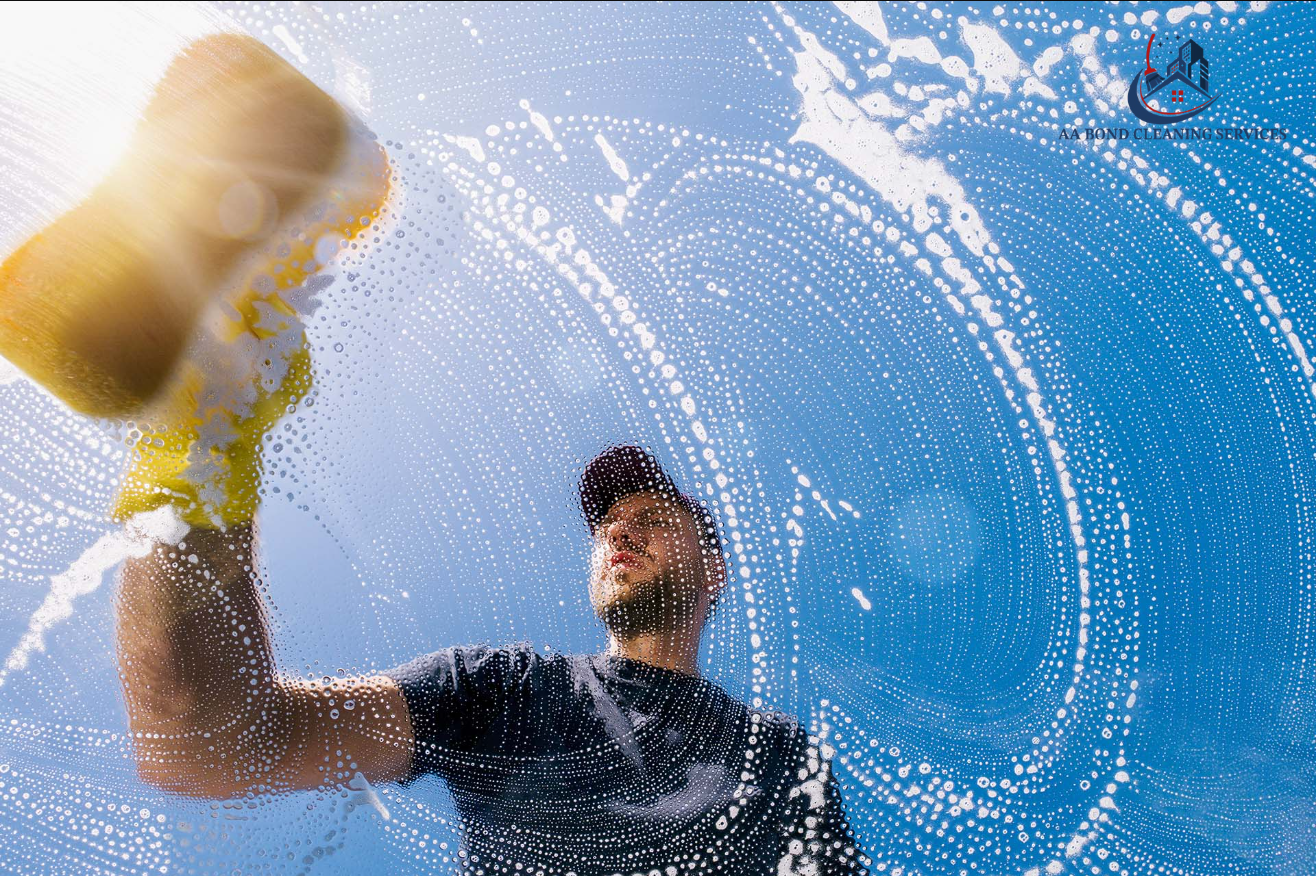
Clean windows instantly brighten your home, improve views, and make any space feel fresher. But achieving that crystal-clear finish isn’t always easy. Smudges, water marks, and streaks can appear even after you’ve cleaned them.
The difference lies in using the same techniques and tools professional window cleaners use. In this guide, you’ll learn how to clean windows like a professional cleaner, using proven methods that deliver spotless, streak-free glass every time.
Whether you’re a homeowner refreshing your space, a tenant preparing for a rental inspection, or someone who simply wants better results from DIY cleaning, these professional window cleaning tips will help you achieve a polished, professional finish without frustration.
Let’s discover expert tools, step-by-step techniques, and insider tricks professional cleaners use to achieve perfectly clean windows.
Essential Tools You’ll Need for Professional Window Cleaning
Professional window cleaners typically use a combination of a washer, squeegee, microfiber cloth, and a simple cleaning solution to remove dirt, water spots, and residue from glass surfaces.
Below are the essential tools used for professional window cleaning.
| Tool | Purpose |
| Bucket | Holds the cleaning solution. Allows tools to be rinsed during cleaning. |
| Window Washer (Sponge or Sleeve) | Used to apply the cleaning solution. Loosen dirt on the glass. |
| Squeegee | Removes water and cleaning solution from the glass for a streak-free finish. |
| Microfibre Cloth | Ideal for wiping frames, edges, and polishing glass without leaving lint. |
| Lint-Free Cloth | Used for final detailing and removing remaining moisture around edges. |
| Window Cleaning Solution | Breaks down grease, dust, and grime on the glass surface. |
Once you know the right equipment, the next step is knowing how to choose high-quality tools that deliver specialized window cleaning results every time.
How to Choose the Right Window Cleaning Tools
Not all window cleaning tools perform the same. Professional window cleaners carefully select tools that reduce streaks, improve efficiency, and protect the glass surface. Here’s how pros choose their essential window cleaning equipment.
Choosing the Right Squeegee for Streak-Free Windows
A high-quality squeegee is one of the most important tools for cleaning windows.
The squeegee removes water and cleaning solution from the glass in one single pass. It leaves behind a streak-free finish. When choosing a squeegee, look for:
 A comfortable, sturdy handle for better control
A flexible rubber blade that glides smoothly across the glass
A blade width that matches your window size
Professional cleaners usually carry multiple squeegee sizes so they can clean different types of windows efficiently. Further, it’s also important to replace the rubber blade regularly. Worn blades can leave streaks, skip sections of glass, or drag debris across the window.
Why Microfibre Cloths Are Essential for Window Cleaning
Microfibre cloths are another essential tool used by professional cleaners. These cloths are designed to absorb water quickly. They trap dirt particles which helps prevent streaking on glass surfaces.
Professional cleaners typically use separate microfibre cloths for different tasks, such as:
Cleaning window frames and tracks
Drying the edges of the glass
Polishing the window after squeegeeing
Because microfibre cloths are lint-free and highly absorbent, they leave windows looking clearer than paper towels or regular cleaning cloths.
To keep them working effectively, wash them without fabric softener. Air dry them whenever possible. Plus, store them clean and dry.
With the right tools selected, the next step is understanding which cleaning solutions professionals use to remove dirt and grime effectively.
Choosing the Best Window Cleaning Solution for Professional Results
Wondering what window cleaning products do professionals actually use? The cleaning solution you use plays a major role in achieving streak-free windows.
Professionals keep their cleaning solutions simple yet effective. For most residential windows, a basic solution of warm water and a small amount of dishwashing liquid work extremely well. This mixture cuts through grease, dust, and everyday grime without leaving residue.
For tougher cleaning jobs, professionals sometimes add white vinegar, which helps dissolve mineral deposits and stubborn marks.
Common window cleaning solution options are:
Warm water + dishwashing liquid – Ideal for regular cleaning
Water + white vinegar – Effective for hard water stains and mineral residue
Commercial ammonia-free cleaners – Suitable for delicate surfaces and tinted glass
Before using any cleaning product, it’s always wise to test it on a small area first. This helps ensure it doesn’t damage window seals, frames, or specialised coatings.
Should You Use Paper Towels or Newspaper to Clean Windows?
No. Using paper towels or newspaper to clean windows has been a common household method for years, but professionals usually avoid it.
Paper towels can leave lint on the glass, create streaks, and waste unnecessary paper. Newspaper may help remove heavy grime, but modern printing inks can transfer onto your hands and glass which leaves smudges behind. Instead, professional window cleaners recommend using high-quality microfibre cloths, which are reusable, lint-free, and much more effective for polishing glass.
With the right tools and cleaning solutions ready, the next step is preparing the window properly before starting the cleaning process.
How to Prepare Window Before Cleaning
Proper preparation is an important step in professional window cleaning. Preparing the area helps prevent damage, improves safety, and ensures the cleaning process is efficient.
Professional cleaners always inspect and prepare windows before they begin working. Here’s how:
Inspecting Windows Before Cleaning
Start by checking the condition of your windows before cleaning them.
Look for:
Cracks or chips in the glass
Loose frames or seals
Stubborn stains or marks that may require special treatment
Identifying these issues early helps prevent accidental damage during cleaning.
Ensuring Clear Access to Window
It’s helpful to check access to your windows. Remove obstacles such as furniture, decorative items, or plants that may block access. This small step saves time and allows cleaners to work more efficiently.
Protecting Window Frames, Screens, and Surroundings
Window frames and screens require special attention during cleaning. To protect your property:
Cover wooden frames to prevent water damage
Remove window screens if they are not being cleaned
Move nearby furniture or indoor plants away from the area
Outdoor preparation is just as important. Trim back bushes or branches touching the windows, as they can scratch the glass during cleaning. Plus, keeping the surrounding area clear helps ensure a smooth cleaning process. It prevents debris from falling onto freshly cleaned glass.
Once your windows are properly prepared, you’re ready to begin the professional step-by-step window cleaning process.
How to Clean Windows Like Professional Cleaners: Steps & Techniques Explained
Professional window cleaners follow a structured cleaning process to achieve streak-free, crystal-clear windows. If you want to clean windows like a professional cleaner, follow the 7-step process below.
Step #1: Clean the Window Frames, Tracks, and Surrounding Areas
Before cleaning the glass itself, professionals always remove dirt from the window frames, seals, and tracks. These areas often collect dust, sand, pollen, and debris, especially in coastal cities like Perth, where wind and sea salt can accumulate around window edges.
Use a dry microfibre cloth or soft brush to clean:
Window frames
Rubber seals
Window tracks
Corners and edges
If the tracks contain heavy dirt or sand, vacuum them first or wipe them with a damp cloth. Once the frames and tracks are clean, you can begin washing the glass itself.
Step #2: Apply the Cleaning Solution to the Glass
Fill a bucket with lukewarm water and a small amount of dishwashing liquid. Dip a window washer sleeve, sponge, or microfibre cloth into the solution. Then, apply it generously to the glass.
When applying the solution:
Start at the top of the window
Work your way downwards
Cover the entire glass surface evenly
Working from top to bottom allows the cleaning solution to carry dirt downward. This prevents streaks.
Step #3: Scrub the Glass to Remove Dirt and Stains
After applying the cleaning solution, professional cleaners gently scrub the glass to lift stubborn dirt and residue. Use a window washer sleeve, sponge, or microfibre cloth to scrub the glass in circular or overlapping motions.
Pay extra attention to:
Window corners
Edges of the glass
Areas with fingerprints or grime
Spots exposed to rainwater or salt residue
In Perth homes near the coast, windows mostly develop salt deposits or mineral spots, which may require extra scrubbing.
For stubborn marks such as paint splatters, tree sap, or adhesive residue, professionals sometimes use a glass scraper. This tool safely removes tough debris when used gently and at the correct angle.
Always ensure the glass surface is wet before using a scraper, as dry scraping can cause scratches.
Step #4: Rinse the Window Thoroughly
Rinsing removes loosened dirt, soap residue, and remaining cleaning solution from the glass. Rinse the window with clean water or a freshly rinsed washer sleeve. It is important to make sure that:
No excess cleaning solution remains on the glass
Water does not pool in window frames or sills
Dirt is fully washed away before drying
When rinsing windows, lukewarm water works best.
Extremely hot or cold water can stress the glass, particularly if the window already has small chips or damage. Lukewarm water helps avoid sudden temperature changes that could potentially cause cracks.
Step #5: Use the Squeegee Technique for Streak-Free Windows
The drying technique is what separates professional window cleaning from basic DIY cleaning.
Professionals use a squeegee to remove water from the glass in smooth, controlled strokes.
Follow these steps for best results:
Start at the top corner of the window
Place the squeegee blade firmly against the glass
Pull the squeegee downward or use a continuous S-shaped motion
Wipe the squeegee blade with a cloth after each pass
What the S technique for cleaning window?
The ‘S technique’ is wiping window in S-shaped pattern. It is widely used by professional window cleaners because it keeps the blade in contact with the glass and prevents streaks from forming. This technique allows the cleaner to move dirty water downward in a continuous motion, leaving behind a clean surface.
Even simple straight downward strokes can work effectively if done carefully.
Step #6: Wipe Edges and Polish the Glass
After using the squeegee, small amounts of water may remain along the edges of the window or frame.
Use a lint-free cloth or microfibre cloth to wipe these edges and absorb excess moisture. This step prevents water droplets from running back onto the glass and creating streaks. For the final finish, lightly buff the glass using a dry microfibre cloth. Buffing removes any remaining smudges and gives the window a crystal-clear shine.
Moreover, cleaning high windows can be difficult and sometimes unsafe without the right equipment.
Professional window cleaners often use extension poles that attach to squeegees or window washers. These poles allow cleaners to reach windows several metres high without using ladders. For very tall buildings or hard-to-reach exterior glass, professionals may use water-fed pole systems. These systems use purified or deionised water, which removes dirt and dries naturally without leaving spots.
This technology is widely used for multi-storey homes, commercial buildings, and high exterior windows. It improves both safety and efficiency.
Step #7: Clean Interior Windows for a Complete Finish
Interior windows usually collect fingerprints, dust, and light smudges, so they require less intensive cleaning.
Spray the glass lightly with a window cleaning solution or homemade mixture. Then wipe it using a microfibre cloth. Work in gentle circular motions and finish by wiping vertically or horizontally for a streak-free result. Interior cleaning completes the process and ensures the windows look clear and polished from both sides.
So, following these professional window cleaning techniques will help you achieve clearer, brighter windows that improve both the appearance and natural lighting of your home.
Advanced Window Cleaning Techniques
Even after following the standard window cleaning steps, some windows may still have stubborn stains, mineral deposits, or environmental residue. Professional window cleaners use advanced techniques to tackle these tougher issues and maintain crystal-clear glass.
Removing Stubborn Window Stains Safely
Some marks on windows cannot be removed with basic washing alone. These include hard water stains, paint splatters, bird droppings, tree sap, adhesive residue, and salt deposits from coastal air.
Professional cleaners begin by softening the stain using a cleaning solution before attempting removal.
Use a Vinegar-Based Solution for Mineral Deposits
Hard water stains are common on exterior windows, especially in areas with mineral-rich water. A simple solution made from equal parts white vinegar and warm water helps dissolve these deposits. The vinegar breaks down minerals. Then it becomes easier to wipe away. Apply the solution and allow it to sit on the glass for a few minutes before wiping or scrubbing gently.
Use a Professional Glass Scraper for Tough Debris
When dealing with stubborn debris such as paint specks or dried residue, professionals often use a specialised glass scraper. This tool can safely remove hard contaminants when used correctly.
Important precautions include:
Always keep the glass wet while scraping
Hold the scraper at a low angle
Apply gentle pressure only
Using a scraper on dry glass can scratch the surface, which is why professionals rely on proper technique and experience.
Specialised Cleaning Products for Severe Stains
For extremely stubborn stains, professionals may use commercial glass cleaning products designed for mineral removal or heavy grime. These solutions are stronger than household cleaners but are formulated specifically for glass surfaces. This reduces the risk of damage when used properly.
Because these products require careful application, they are typically handled by trained professional cleaners.
Window Cleaning Aftercare: How to Keep Windows Clean for Longer
Professional window cleaning does not end once the glass is spotless. Proper maintenance helps keep your windows looking clean and reduces the frequency of deep cleaning.
Simple maintenance habits can significantly extend the life and clarity of your windows.
Follow a Regular Window Cleaning Schedule
One of the most effective ways to maintain clean windows is by sticking to a regular cleaning schedule. For most homes in Perth, professional window cleaning is recommended every 3 to 6 months.
However, homes located near busy roads, coastal areas, construction zones, and large trees may require more frequent cleaning due to increased dust, pollen, and salt exposure.
Between professional cleans, you can maintain your windows by:
- Dusting window frames weekly using a microfibre cloth
- Wiping light fingerprints or smudges with a damp cloth
- Cleaning bird droppings or sap quickly before they harden
Thus, regular maintenance prevents heavy dirt build-up. It keeps windows looking clearer for longer.
Proper Storage and Care of Window Cleaning Tools
Taking care of your window cleaning tools helps maintain their effectiveness and protects your windows from scratches.
Follow these tips for tool maintenance:
Store tools in a cool, dry place
Hang squeegees with the rubber blade facing upward to prevent bending
Rinse microfibre cloths after use and allow them to air dry
Avoid fabric softener when washing clothes, as it reduces absorbency
Moreover, replacing worn tools is equally important. Old squeegee blades or damaged cloths can cause streaks or even scratch glass surfaces. Keep a small cleaning kit handy, such as a microfibre cloth and spray bottle. It makes it easy to remove smudges before they build up.
Along with regular maintenance, experts also use preventative techniques to keep windows cleaner for longer.
Preventative Tips to Keep Windows Cleaner for Longer
Professional window cleaners recommend preventative measures to reduce future dirt build-up. These simple strategies can significantly extend the time between major cleaning sessions.
Apply Rain-Repellent Coatings: Some professionals apply water-repellent glass coatings that cause rainwater to bead and roll off the window. This process helps wash away dirt naturally. It prevents mineral deposits from sticking to the glass.
Trim Nearby Trees and Plants: Overhanging branches and nearby plants can deposit pollen, tree sap, leaves and debris onto your windows. Regularly trimming trees near windows helps minimise this problem.
Inspect Window Seals and Frames: Damaged seals or poorly fitted frames can allow dust and moisture to enter around the glass. Professional cleaners may point out these issues during cleaning so they can be addressed before they worsen.
DIY vs. Professional Window Cleaning: Why Hiring Experts Makes a Difference
Cleaning windows yourself can be manageable for small jobs. But it becomes difficult when dealing with large glass panels, high windows, or stubborn stains.
Professional window cleaners bring experience, equipment, and safety practices that make the job easier and more effective. Here’s how:
Safer Cleaning for High Windows – Cleaning upper-storey windows can be risky without proper equipment. Professional cleaners use tools such as extension poles, water-fed pole systems, ladders, and safety gear to reach difficult areas safely.
Superior Cleaning Results – Professionals know how to remove stubborn stains, mineral deposits, and streaks that are often difficult to eliminate with standard household tools. Their specialised equipment ensures a thorough, streak-free finish.
Save Time and Physical Effort – Window cleaning can be time-consuming, especially for larger homes or properties with many windows. Hiring professionals allows you to save hours of work and avoid the physical strain of deep cleaning.
Early Detection of Window Problems – Experienced cleaners notice early signs of damage such as cracked glass, worn seals, or frame deterioration. Identifying these issues early can help prevent costly repairs in the future.
Regular professional cleaning not only improves appearance but also helps extend the lifespan of your windows.
Are your windows still streaky no matter how much you clean?
Get Professional Window Cleaning in Perth with AA Bond Cleaning
If your windows still look cloudy or streaky after cleaning, it may be time to let the professionals handle it.
At AA Bond Cleaning Perth, our experienced cleaners use professional tools, eco-friendly products, and proven techniques to deliver crystal-clear, streak-free windows every time. Whether you’re preparing for a rental inspection, end-of-lease cleaning, or simply want brighter windows, we ensure your property looks spotless and inspection-ready.
So, save your time, avoid risky ladder work, and enjoy perfectly clean windows without the hassle.
Book Professional Window Cleaning in Perth
FAQs
How professional cleaners clean window?
Most professional window cleaners typically use water mixed with a small amount of liquid dish soap to break down grease and dirt. For tougher stains, they may add vinegar or specialised cleaning detergents. Some experts also use purified or deionised water systems, which dry without leaving mineral spots on the glass.
What is the best way to clean windows without streaks?
The best way to clean windows without streaks is to wash the glass with a mild cleaning solution, scrub gently, and remove water using a squeegee. Professionals start from the top of the window and work downward, wiping the squeegee blade after each pass to prevent streaking.
What cleaning solution works best for windows?
A simple mixture of warm water and dishwashing liquid works well for most window cleaning tasks. For stubborn stains or mineral deposits, a 50/50 mix of vinegar and water can help dissolve grime and restore clarity to the glass.
What should you avoid when cleaning windows?
Avoid using abrasive cleaners, harsh chemicals, rough sponges, or paper towels when cleaning windows. These can leave residue, cause streaks, or damage the glass surface.
How often should windows be professionally cleaned?
Most homes benefit from professional window cleaning every 3–6 months. Homes near coastal areas, busy roads, or construction zones may require more frequent cleaning due to increased dust, salt, and pollution build-up.